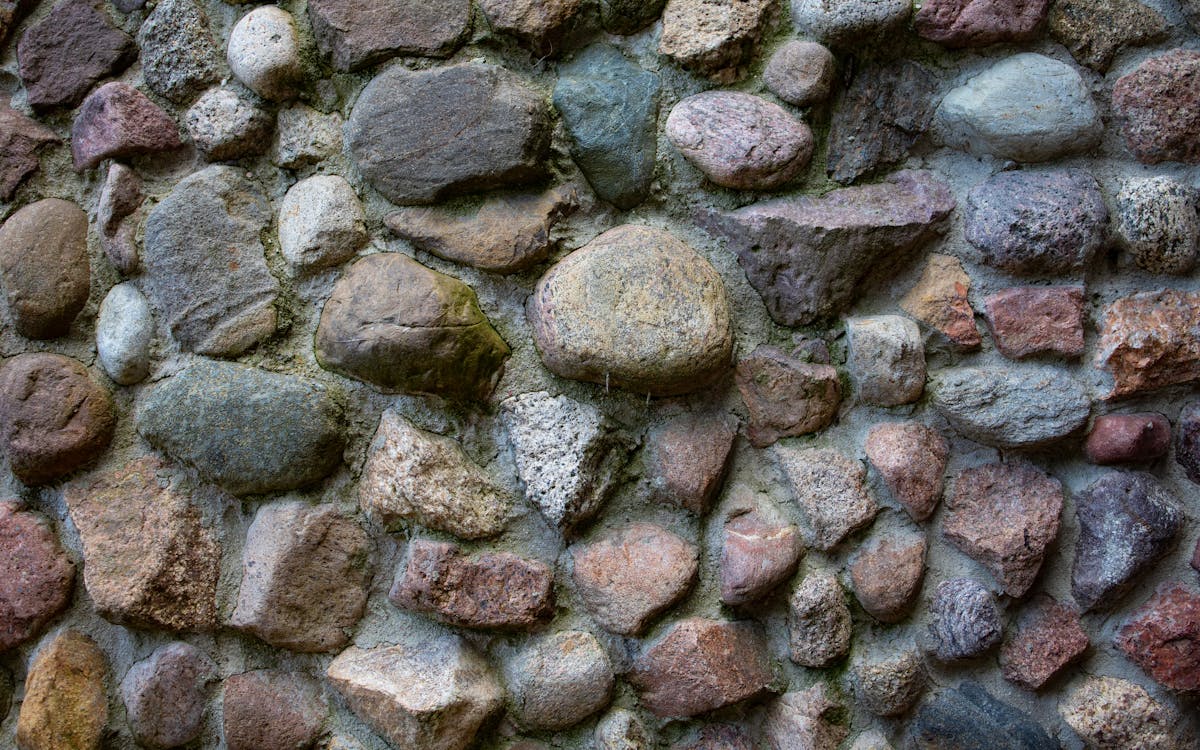
If you're searching for a retaining wall contractor in Huntington, NY — or anywhere on Long Island's North Shore — you'll find dozens of options. Some are excellent. Some will leave you with a wall that fails in three winters. Here's how to tell the difference before you sign anything.
We're a Huntington-based retaining wall contractor serving Long Island's North Shore from Sands Point to Stony Brook. We've also rebuilt enough other contractors' failed walls to know exactly where the corners get cut. This guide is what we'd tell our own neighbors if they were getting quotes.
1. They actually live or work on the North Shore
This sounds obvious but matters more than people realize. The North Shore of Long Island has terrain, soil, and stormwater behavior that don't show up on most of the Island. Glacial till, clay lenses, real slopes, and freeze-thaw cycles all change how a wall has to be built. A contractor who builds 90% of their projects in flat sandy South Shore neighborhoods is not the contractor you want on a hillside in Huntington Bay, Cold Spring Harbor, or Lloyd Harbor.
Ask point-blank: "How many walls have you built in Huntington, Centerport, Northport, or [your specific town] in the last two years?" The right answer is a number with specific addresses or streets they can recall. The wrong answer is "oh, we work all over Long Island."
2. They're licensed in your county
Suffolk County and Nassau County both require home improvement contractors to carry an active license. It's not optional. Any contractor doing work in Huntington or anywhere on the North Shore should be able to produce their Suffolk County (or Nassau, depending on your town) license number on the spot. If they hesitate, walk away — and if a wall fails and they weren't licensed, your homeowners insurance and any future buyer's home inspector will both have a problem with it.
3. They carry real insurance — and will show it
General liability and workers' comp. Both. If a worker gets hurt on your property and the contractor has no comp coverage, the liability flows back to the homeowner. We've seen it happen on Long Island enough times that we now hand homeowners our certificate of insurance before they ask. Any contractor reluctant to do the same is a red flag.
4. They give you a written, itemized quote
A real retaining wall quote should list, at minimum:
- Length, height, and material of the wall
- Excavation and disposal scope
- Base prep depth and material
- Drainage components (geotextile fabric, gravel, perforated pipe, outlet)
- Block or stone manufacturer and product (Cambridge, Nicolock, natural stone, etc.)
- Geogrid soil reinforcement if applicable
- Cap blocks, finishes, plantings if included
- Permit handling and engineering stamps
- Warranty terms in writing
If a contractor's quote is one line that says "Retaining wall — $24,000," that's not a quote, that's a guess. You have no way to evaluate whether it's a good deal or what you're actually getting.
5. They specify drainage in writing
If we tear out ten failed retaining walls on the North Shore, eight of them failed because of drainage. The contractor who underbuilds drainage is the contractor whose wall ends up on someone else's tear-out list. A proper North Shore wall should include:
- Non-woven geotextile fabric behind the wall
- At least 12 inches of clean 3/4-inch crushed stone backfill
- 4-inch perforated PVC pipe at the base, on a pitch
- An outlet to daylight, a dry well, or storm system — not a buried cap
If the quote doesn't say any of this, ask. If the contractor's answer is vague, that's your sign.
6. They handle the permit
Most retaining walls over 4 feet on the North Shore require a permit. A reputable contractor handles the permit filing themselves and includes it in the quote. A red-flag contractor tells you "you probably don't need one for that," which is sometimes true and often not — and either way, it's not the kind of decision you want a stranger making for you. If a wall is built without a permit and your town's building department later flags it, the fix can be expensive.
7. They have references on the North Shore specifically
Three to five references, ideally in towns near yours, with phone numbers. A good contractor will hand them over without flinching. Better still, ask if you can drive by completed walls. We routinely drive prospective clients past finished projects in Huntington, Cold Spring Harbor, Centerport, and Lloyd Harbor so they can see for themselves what 5-year-old, 10-year-old, and 15-year-old walls of ours look like.
8. They tell you the truth, even when it costs them the job
This is the hardest one to evaluate before you've worked with someone, but it's the most important. The right contractor will tell you when you don't need a wall. They'll tell you when wood is the right call instead of stone. They'll tell you when phasing the project across two years saves you money. They'll say "I'd put my parents in the cheaper option here" when it's true.
Contractors who lead with the most expensive option, every time, are not necessarily bad — but they're not optimizing for you. On a project this size, that matters.
The honest sales pitch
If you're getting quotes on the North Shore and you'd like a third opinion — even if you don't end up hiring us — give us a call. We'll talk through what you're seeing, what your other quotes look like, and tell you whether the numbers make sense. No pressure, no obligation.